Spring Fishing on the Guadalupe River: A Complete Guide for 2026
Spring on the Guadalupe River is something I look forward to every year. After decades of journalism, there’s something grounding about standing in cold water, fly in hand, watching the river flow past the cypress trees I’ve come to know so well. The Guadalupe has been part of my life since my Camp La Junta days, and each spring offers a fresh start.
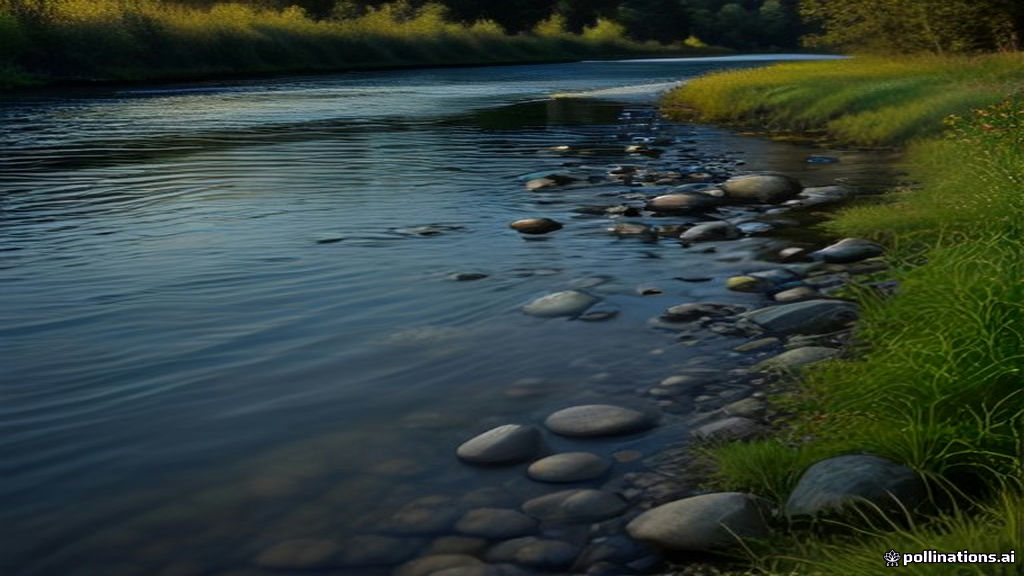
This is my complete guide to Guadalupe River spring fishing for 2026, written for people who want to understand the river rather than just fish it. The water, the light, the bugs, the timing — it all fits together once you have been here long enough to see the pattern.
Understanding the Guadalupe River in Spring
The Guadalupe River transforms in spring. Snowmelt from the Hill Country feeds the river, creating ideal conditions for trout and bass. Water temperatures hover in the mid-50s to low-60s, perfect for active fish.
“The river in spring is different—it’s alive in a way it isn’t other seasons. The insects are hatching, the fish are feeding, and everything feels renewed.”
Spring also means the Guadalupe is clearer than during summer flash floods. This visibility makes sight-fishing particularly effective. You’ll see trout holding in the slower runs, rising to mayflies.
Best Access Points for Spring Fishing
Key access points include:
- Centennial Park — Easy access, family-friendly
- River Park — Good wading, better for intermediates
- Cypress Bend — Quieter, more remote feel
Essential Spring Fishing Techniques
Spring fishing on the Guadalupe requires adapting your techniques to the season. Here’s what works:
Fly Fishing Strategies
For spring, I focus on:
- Mayfly patterns — Size 14-18, baetis and sulfurs
- Streamer techniques — Slow retrieves for passive fish
- Nymph rigs — Carolina or indiana setups for depth
The key is matching the hatch. Spring brings baetis, caddis, and stoneflies. Study what’s hatching and match accordingly.
Bait Fishing for Bass
Spring bass fishing heats up as water warms. Try:
- Live bait: Crawfish, shad
- Soft plastics: Kreature baits, worms
- Topwater: Poppers at dawn
The Guadalupe holds healthy bass populations. Focus on deeper holes and fallen timber.
Best Times to Fish the Guadalupe in Spring
Timing matters more in spring than in any other season, and the reason is temperature. Trout are cold-blooded, so their feeding is a direct function of the water. Below about 52 degrees they are not interested in much of anything. Between 55 and 65 degrees they are at their most eager.
That gives you two windows. The first is the early morning, from roughly 6:30 to 9:00, when the surface is cool and the topwater bite is at its peak. The second is late afternoon, when a falling barometer pushes the fish onto the feed ahead of an evening front.
The middle of the day is the hardest part of a spring trip on this river. The sun climbs the western ridge, the water warms, and the trout go down into the seams. You can fish through it with nymphs, but you will work harder for fewer fish. Get off the water, find a shaded bank, eat something, and come back later.
Overcast mornings are the best condition you can get. I have had fish feeding at noon under a cloud deck that refused everything at seven on a clear day. The glare is gone, the fish move less, and the flies are easier to see.
Where to Fish the Guadalupe in Spring
The river in spring pushes fish into structure. The general rule I work by is that fish want three things at once: current that delivers food, but not so much current that they cannot hold position; depth that stays cold; and a soft bottom where they can rest between feeds.
Box Canyon and the run below it is where I spend most of my spring mornings. The pools hold trout through the middle of the day because the spring water keeps them cold and shaded, and this is where the biggest rainbows of the season have come to hand.
Cypress Bend is quieter and more remote. It holds well during a wind, which matters in spring when the Hill Country can blow for three days straight. By ten in the morning the boat traffic has thinned, and by noon the bend belongs to whoever walked in.
Upper Mountain Grape is the reach I fish when I want to be alone. Lighter pressure, healthy fish, and enough walking between pools to work out a story I am stuck on.
Kerrville City Park is the right answer if you are fishing with kids or with anyone who does not wade. The fish are smaller, the current is gentler, and you can see the bottom from the bank.
Reading the Gauge Before You Go
The Guadalupe is dam-controlled, which means the river you fish may not be the river you planned to fish. Check the Kerrville gauge and the upstream release schedule before you leave home, because a release upstream will change your plan entirely.
Under 80 cfs and the water is low. The fish are concentrated in a handful of deep runs, and they will spook easily. Go upstream to the tributaries or find the deeper pools.
80 to 250 cfs is the productive range for trout. The seams are working, the bottom is visible, and the wading is manageable.
Over 250 cfs and the fish spread into water you cannot reach from the bank. Move downstream to the deeper pools and stop trying to wade. It also turns the river green after rain, and sight-fishing becomes a memory.
Spring rain in the watershed can raise the gauge in a single afternoon. A line of storms down the hill at 2 PM will do it, and it will turn the river the color of coffee. Check the radar, and if the forecast is ugly, be honest about it.
Gear Recommendations for Spring
Proper gear makes spring fishing more enjoyable. The water is cold—dressing in layers matters.
What I Carry
- Waders: Breathable, neoprene booties
- Rod: 4-5 weight for trout, 6-7 for bass
- Fly box: Mayfly cripples, emergers, streamers
- Layered clothing: Weather can shift quickly
Spring in Texas Hill Country brings variable weather. Mornings may be cool; afternoons warm. Layer accordingly.
A few specifics on the waders. For wading, breathable fabric with neoprene booties is the only thing I trust, because a cold foot in March ends the trip. For the gear I carry in the truck, I keep a spare set of neoprene waders, a headlamp for the early start, and a dry bag for the electronics. I also keep a bar of soap in a bucket in the car, because the smell of a wet dog is worse than any rain.
Conservation and Responsible Fishing
The Guadalupe deserves our care. Spring is spawning season for many fish. Practice catch-and-release for spawners.
“We’ve seen the river through drought and flood. Protecting it means respecting spawn cycles and practicing selective harvest.”
Take only what you need. Release larger breeding fish. This ensures healthy populations for future seasons.
If you take a photograph, take it with the fish in the water. Handle everything with wet hands and let it go quickly. Spring is when the brown trout are holding deepest, and the biggest fish in the river are the ones that produced this year’s and next year’s stock. There is no version of Guadalupe River spring fishing that is worth taking one of those fish out of the water for.
Spring fishing on the Guadalupe River offers unmatched rewards. The combination of scenery, challenge, and tradition keeps me coming back. Whether you’re a seasoned angler or just starting, spring on the Guadalupe delivers.
Plan your trip for early morning—best bite times are dawn to mid-morning. Check flow conditions before you go. The river can rise quickly with spring rains.
Tight lines, and remember: the river was here long before us. Treat it accordingly.