A Writer's Guide to Lincoln's Public Libraries
Every writer needs a sanctuary. For me, it has been Lincoln’s public libraries, and specifically Bennett Martin Public Library on Q Street.
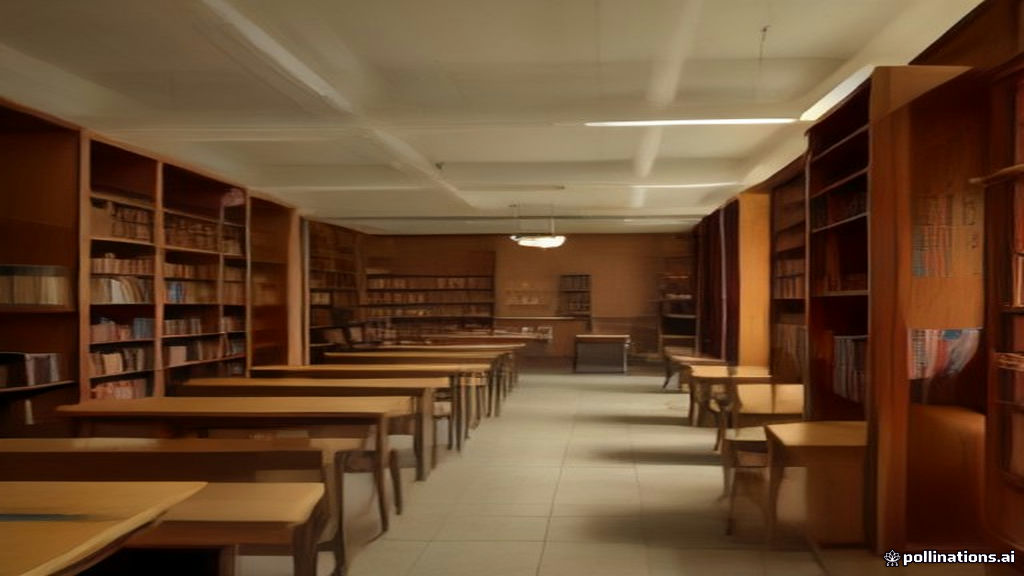
Before I had a home office, before I had a dedicated writing room, there was Bennett Martin. I’ve spent hundreds of hours there, and I’m still discovering new resources. If you have ever wondered where to work in this city without spending a dollar, this is your answer — writing spots in Lincoln Nebraska are far more plentiful than most people realize, and the public library system is the best-kept secret among them.
The Main Branch: Your First Stop
The Bennett Martin branch is the heart of the system. The second-floor reading room with its tall windows has been my office on many a deadline day. There’s something about the mix of natural light and the quiet industry of other readers that puts me in the right headspace.
Bennett Martin is not the biggest library building in the country, and it does not try to be. It has the layout of a building that was designed for readers rather than for circulation statistics. The furniture is old in the way that good furniture gets old, the floors creak in helpful places, and the shelves are organized in a way that rewards a little wandering.
What Writers Will Love:
- Extensive newspaper archives — Nebraska newspapers dating back to the 1800s, on microfilm and increasingly digitized
- Genealogy room — Perfect for historical fiction research or understanding your family’s story
- Meeting rooms — Free to reserve for writing groups
- Business databases — Great for investigative research
The newspaper archive is the resource I use the most. Nebraska’s state and local papers run deep, and when I am trying to establish a timeline for a story, the microfilm reader in the back room settles arguments that interviews cannot. There is a particular satisfaction in reading a 1958 city council report on microfilm and realizing that the man quoted is the same man I interviewed in 2019.
The business databases are free with a card, which surprises people. Company filings, property records, nonprofit filings — all of it, no fee.
The Branches Worth Knowing
While Bennett Martin is the flagship, don’t overlook these locations:
Walt Library — Smaller, quieter, perfect for deep work. The local history collection here is exceptional.
Anderson Library — Great for technical research and the science collections.
Eiseley Library — University of Nebraska campus adjacent, but open to the public. Academic journals and databases without a university ID.
Two others deserve a mention because writers rarely think of them. The South Branch on Coddington Lane has a large windowed reading area in the front and is quiet in the middle of the day, which makes it excellent for drafting. And the North Branch on Villard has study rooms you can reserve by the hour, which is harder to find than you would expect in any library system.
Why Lincoln’s Libraries Matter for Working Writers
There is a difference between a library and a reading room with free WiFi, and Lincoln’s system is on the right side of it.
A working writer needs three things: somewhere with heat and electricity in February, somewhere with a table you can spread paper across, and somewhere that does not require you to buy a coffee to justify your presence. All three are free at Bennett Martin. All three are free at every branch.
There is also the archival advantage, and it is a large one. If you are writing on Nebraska history, a true crime book, or a family memoir, the difference between researching at a library and at home is often two weeks of work versus two months. The material is in the building, the staff know where it is, and when it is not there, interlibrary loan will find it for you.
Research Resources at Bennett Martin
If you are coming here for research rather than for a quiet chair, a few specifics will save you a day.
Newspaper archives. Nebraska papers, microfilm and digitized, going back well into the 1800s, with coverage of the World-Herald and the Lincoln Journal Star. Ask the reference desk which years were scanned and where the gaps are.
Genealogy and local history. The Nebraska Room holds county histories, plat maps, family Bibles, and vertical files of local clubs and organizations. The vertical files are underrated — they are where a century-old photo of a neighborhood sits waiting for someone to need it.
Business and legal databases. Free with your card. Coverage of Nebraska corporations, court records, and property transfers.
Meeting rooms. Bookable for writing groups, which is how I started my Tuesday night critique circle.
Author events. The library hosts regular readings, book clubs, and workshops, several of them free and open to anyone who shows up.
Free and Quiet Corners for Long Sessions
Not every writing day needs a table you can spread documents across. Some days you need a corner, a chair, and an hour of silence, and the branches deliver that better than the main building.
Walt Library on the east side has the best no-talk room in the system. It is small, it books up early on Tuesday and Thursday, and the lighting is better than any artificial light in the building.
South Branch on Coddington Lane is the opposite kind of place: bright, warm, and best in the middle of the day when the schools let out. Bring headphones.
Eiseley Library is the one that catches visitors off guard. It is a university building, so students take it for granted, but the reading rooms are open to the public, the databases are available without a university ID, and nobody will ask you what you are working on.
North Branch on Villard is where the reservable study rooms live. For a manuscript day or a research afternoon where you need to spread out prints, reserving one is the best use of a library card I have found. Reserve online a day ahead, because the popular rooms go early.
Pro Tips for Writers
- Get a library card immediately — It’s free and gives you access to everything
- Ask about interlibrary loan — If they don’t have it, they can get it from other systems
- Explore the digital collection — E-books, audiobooks, and online databases available 24/7
- Attend author events — Lincoln’s library system hosts regular readings and workshops
One more that isn’t on the list: learn the building. Find the copier, find the printer with the scanner, find the room with the single window seat, find where the restrooms are and where the drinking fountains are. Ten minutes of orientation on your first visit pays back over every visit after it.
My Personal Favorite Spots
In Bennett Martin, I’m partial to the chairs near the northeast windows on the second floor. Power outlets are plentiful, the WiFi is reliable, and there’s a coffee shop on the first floor for when you need a break.
The second floor reading room fills up between eleven and one on weekdays, then empties by three. If you want the room nearly to yourself, come at two in the afternoon, or on a Sunday morning, the quietest the building ever gets.
The Lincoln City Libraries have been instrumental in my career. Whether I’m researching historical articles, checking public records, or just needing a change of scenery from my home office, they’re there. If you want the wider picture of where to work in this city, I keep a running list of my favorite writing spots in Lincoln Nebraska, and the library system is always at the top of it. Of all the places in town to spend a working day, Lincoln’s public libraries remain the most generous, and the writing spots in Lincoln Nebraska I recommend to other writers almost always start with a branch library and a free card.
What are your favorite writing spots in Lincoln? I’d love to hear about them.
If you are planning a longer writing stretch, I also keep notes on writing retreats near Lincoln.
This post is part of my ongoing series about writing life in Lincoln, Nebraska. Check back for more tips on the writing process, research methods, and life as an investigative journalist.